
You reckon a free blackjack practice game sounds like a quiet arvo session with a deck of cards, but the real value sits in how it trains your decision speed before you ever risk a dollar. I’ve spent years aligning paytables, hit/stand thresholds and art direction for table games, so I know the difference between a pretty simulator and one that actually builds muscle memory. Below, I walk through what a decent free trainer should do, where it helps most, and how it feeds into the real thing without any false promises.
What a blackjack practice game free actually trains
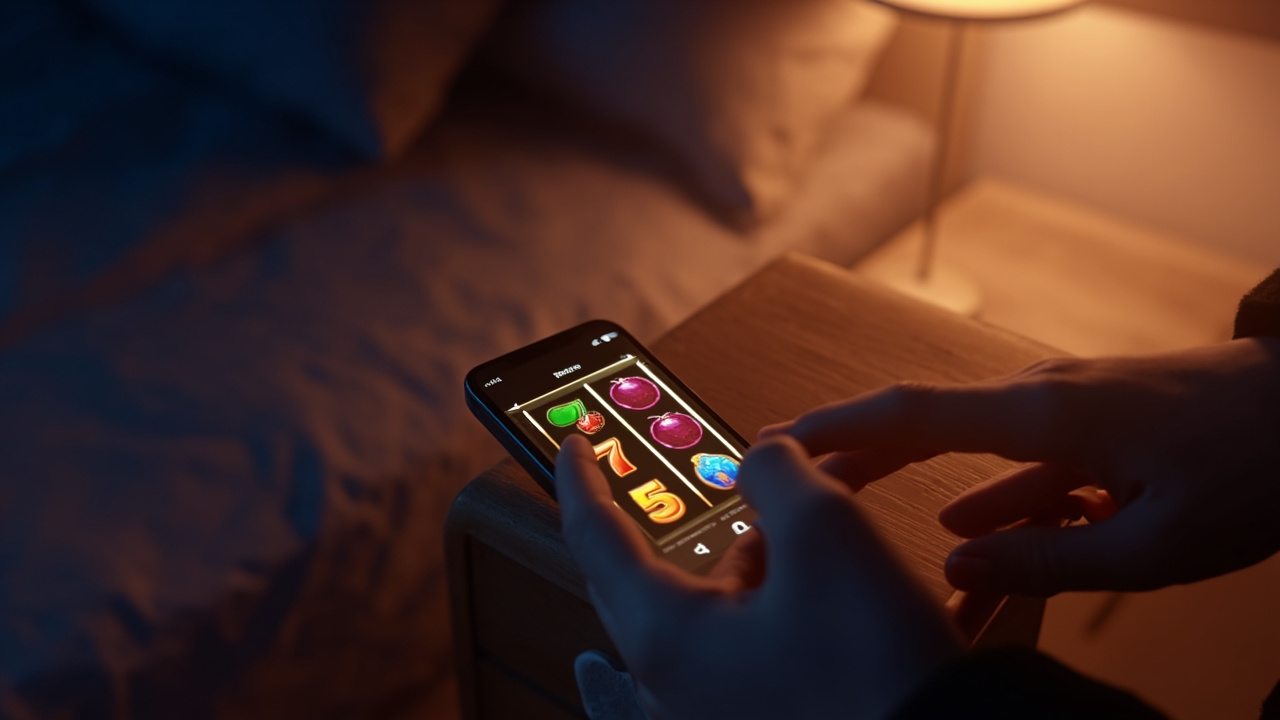
A free blackjack practice game isn’t about chasing a win; it’s about locking in the right play at the right moment, every time the shoe turns. When I design or audit a trainer, I look for a shoe that mirrors a real six-deck shuffle, a dealer who peeks on 10s and aces, and a display that shows your running count only if the mode is switched on. The point is repetition with feedback, not decoration. A solid trainer lets you cycle through soft hands, pairs and marginal totals without burning through a balance, and it should flag every deviation from basic strategy so you can see where your instincts drift.
I’ve watched players treat free play like a game of luck, then walk into a live floor and surrender on 16 versus 10 without a second thought. The fix is boring on purpose: the same situation repeated until the right move feels automatic. A good free setup also lets you switch between single-deck and multi-deck rules, because the hit/stand lines shift and you need to feel that difference. If a trainer hides the dealer’s hole card until you act, or lets you double on any two cards by default, it’s teaching you the wrong habits. The best free tools are blunt about mistakes, quiet on hype, and built so you can run ten hands in the time it takes to finish a flat white in Melbourne. spinsamuraireviews.org
| Feature | What to look for | Why it matters |
|---|---|---|
| Deck structure | Six-deck, dealer stands on soft 18 | Matches most live floors |
| Hole card display | Hidden until dealer acts | Trains real timing |
| Strategy feedback | Instant flag on every deviation | Builds correct habits |
| Rule variants | Single-deck and multi-deck toggles | Keeps you adaptable |
| Pace control | Manual deal or auto-repeat | Lets you drill weak spots |
Two player-fit scenarios where free practice pays off
The casual player learning the lines
For someone who plays a few hands on the weekend and wants to stop guessing, a free trainer is the cheapest way to learn the lines that actually matter. I’d start with a single session focused on hard totals, because that’s where most punters leak chips by hitting when they should stand or standing when they should double. A free game lets you run those totals over and over, see the result, and correct the call without feeling the sting of a real loss. You’re not trying to memorise a chart; you’re trying to make the right call under a bit of pressure, and that only sticks when you’ve felt the same hand a dozen times.
The art direction matters here more than people think. A clean layout with clear hand totals, a visible dealer up-card and a simple result log keeps your head in the maths instead of the graphics. I’ve seen flashy trainers distract players with animations that slow the deal, and the result is worse decisions because the pace feels off. A free game that keeps the screen quiet and the feedback immediate is the one that builds real confidence. If you’re the type who likes to knock a few hands about with mates over a long lunch, that calm, repeatable rhythm is what carries across to the real table.
The regular who wants to tighten up before a session
For a player who already knows the basics but wants to shave off the sloppy calls, free practice is a warm-up, not a miracle. I treat it like a musician running scales before a gig: you’re not learning the song, you’re making sure your fingers don’t misfire when the tempo picks up. That means drilling the spots you keep messing up, whether it’s splitting 8s against a 10 or knowing when to surrender if the rules allow it. A free trainer that lets you isolate those situations and repeat them is worth more than an hour of mindless play.
I’d also use free play to check how a rule change feels in your hands. If you’re moving from a single-deck game to a six-deck shoe, the doubling and splitting lines shift, and it’s smart to feel that shift before you’re at the felt. The same goes for no-hole-card games, where the timing of your decision changes because the dealer doesn’t peek first. None of this guarantees a win; it just means you’re less likely to make the obvious mistake that costs you a session. If you’ve ever sat down after a long week and realised your instincts were rusty, a focused free session is the kind of reset that actually helps.
How free practice links to real table choices
A free blackjack practice game is only useful if it lines up with the rules you’ll actually face, so the smart move is to pick a trainer that mirrors the table you play most. If your local room runs a six-deck shoe with dealer stands on soft 18 and late surrender, use that setup in free play rather than a single-deck version that teaches you the wrong doubling lines. The details matter more than the polish, and I’d always check the rule set before I trust the feedback. A trainer that ignores those details is just a pretty way to waste time.
When you’re ready to move from free play to a real session, the same discipline carries over: know the table, know the limits, and don’t pretend the maths bends for a bad run. I’ve written about how to sort through the noise when you’re comparing where to play, including a short piece on the best online casino Australia: a practical guide for safer choices, which walks through offer structure, wagering and eligibility without the gloss. That kind of groundwork matters because free practice sharpens your hands, but the table you choose still sets the ceiling on how far that edge goes.
Before you lock in a deposit, spend a few minutes on the best online casino Australia guide to verify licensing, payout speeds, and support responsiveness. A quick read through those sections separates the genuinely transparent operators from the ones that bury their terms in fine print. Once you’ve confirmed the basics, you can focus on the game itself without wondering whether the platform is playing by the same rules.
If you want a second opinion on how a trainer stacks up against the rest, I’d cross-check it against a neutral review source like spinsamuraireviews.org before you spend any time on it. No single free game is the whole answer, and the right one is the one that matches your rules, your pace and the mistakes you keep making.
The verdict: a free blackjack practice game earns its keep when it teaches the right play on the right hand, over and over, without pretending the cards owe you anything. Pick one that mirrors your real rules, drill the spots you keep getting wrong, and treat it as a warm-up, not a shortcut. Do that, and you walk into the next session with sharper instincts and fewer sloppy calls, which is the only edge a trainer can honestly give you.